Gut Microbiome Diversity and Nutrient Handling
Published in February 2026
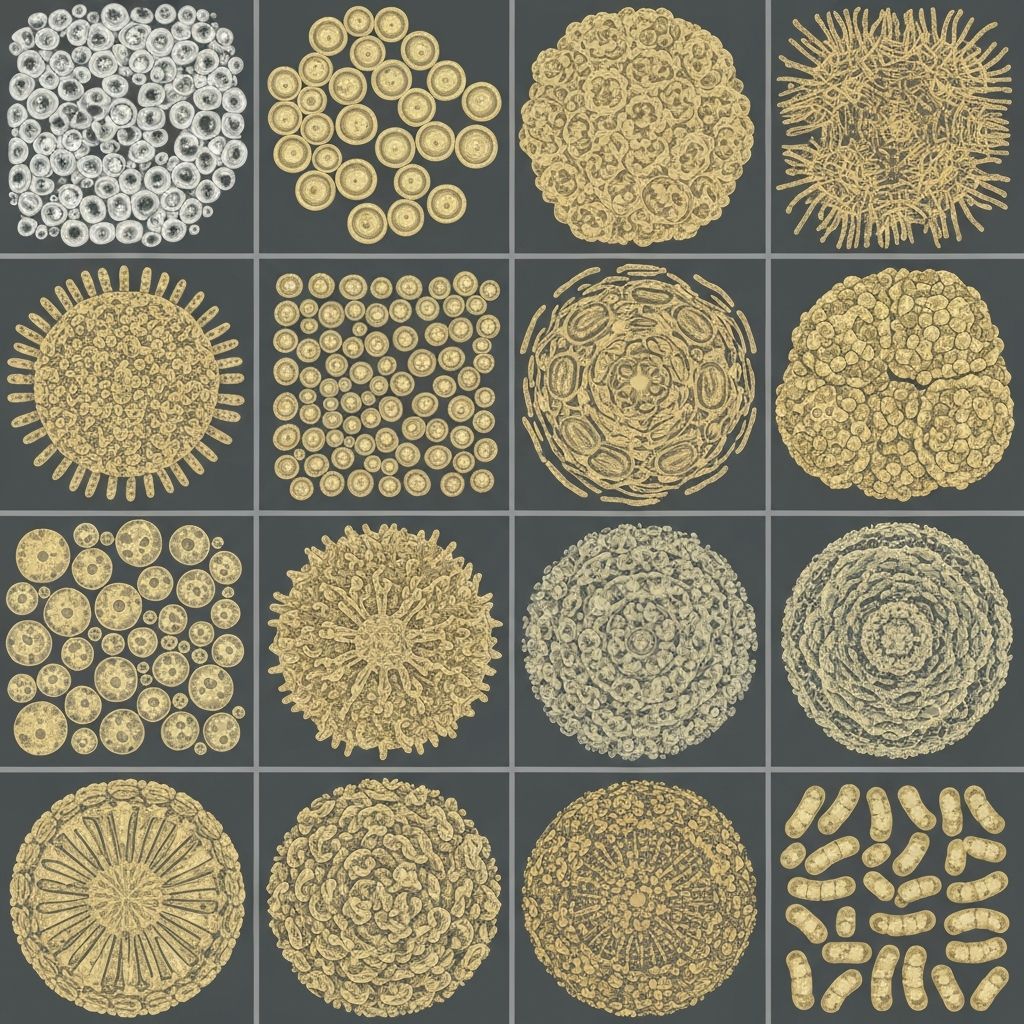
The Microbial Ecosystem and Metabolic Heterogeneity
The human gut microbiome—the community of trillions of microorganisms residing in the digestive tract—plays a substantial role in nutrient metabolism, energy harvest, hormone synthesis, and immune function. Importantly, microbial community composition varies dramatically between individuals, contributing significantly to heterogeneity in dietary responses.
Microbial Diversity and Function
Microbial communities differ in composition (which species and strains are present), abundance (the relative proportions of different microbes), and functional capacity (the metabolic capabilities of the community). These differences are substantial—a metagenomic comparison of any two individuals typically reveals marked differences in both dominant and rare bacterial taxa. This diversity exists despite humans sharing overall metabolic pathways, highlighting the variation in the "microbial machinery" available for nutrient processing.
Nutrient Fermentation and Energy Harvest
Dietary carbohydrates that are not absorbed in the small intestine (resistant starch, dietary fibre, oligosaccharides) are fermented by colonic bacteria. The efficiency and products of this fermentation depend on microbial composition. Individuals with different microbiota compositions harvest different amounts of energy from the same dietary fibre intake, and produce different amounts and ratios of short-chain fatty acids (butyrate, propionate, acetate). These fatty acids have metabolic and signalling effects, contributing to individual differences in satiety, metabolic markers, and energy balance.
Primary and Secondary Bile Acid Metabolism
Bacteria metabolise primary bile acids into secondary bile acids, which have signalling and metabolic functions. The capacity for this transformation varies between individuals based on microbial composition. This influences lipid metabolism, glucose handling, energy expenditure, and signalling through bile acid receptors (such as TGR5 and FXR). Individual differences in bile acid metabolism contribute to differences in metabolic response to dietary fat and carbohydrate.
Endotoxin and Intestinal Barrier Function
Some bacterial lipopolysaccharides (LPS, endotoxin) can translocate across the intestinal barrier and enter circulation, contributing to metabolic endotoxaemia—a chronic low-grade inflammatory state associated with metabolic dysfunction. The intestinal barrier's integrity depends partly on the production of short-chain fatty acids and other bacterial metabolites. Different microbiota compositions produce different levels of potentially harmful metabolites and protective compounds, contributing to individual variation in inflammatory tone and metabolic status.
Microbiota-Dependent Vitamin Synthesis
Certain B vitamins and vitamin K are synthesised by gut bacteria. Individual microbiota composition influences the quantity of these microbially-produced vitamins available for absorption. While dietary intake typically provides most B vitamins, some individuals may depend partly on microbial synthesis. Individual microbiota differences contribute to variation in circulating levels of these vitamins, which have roles in energy metabolism and cellular function.
Microbiota Stability and Resilience
Individual microbiota communities differ in stability—their capacity to maintain composition and function in response to perturbations such as dietary change. Some individuals have highly stable communities that resist dietary change; others have more malleable microbiota that shift substantially with new dietary patterns. This variation in microbiota stability may contribute to differences in how strongly individuals metabolically respond to dietary changes.
Dietary Modulation of Microbiota
Diet is a major factor shaping microbiota composition, but the magnitude of change and the resulting microbial endpoints vary between individuals. Two people adopting the same new diet may experience different shifts in their microbiota composition depending on their baseline microbial ecosystem. This means the "microbial response" to dietary change is individualised, contributing to heterogeneity in downstream metabolic effects.
Limitations of Microbiota-Based Prediction
While research has identified associations between microbial features and metabolic outcomes, predicting individual dietary response from baseline microbiota analysis alone remains limited. The microbiota is highly responsive to immediate dietary change, making its composition an unstable predictor of future response. Additionally, the mechanisms by which specific bacterial taxa influence metabolism are incompletely understood, limiting the ability to forecast outcomes based on composition alone.
Key Takeaway
Gut microbiota composition varies substantially between individuals and significantly influences nutrient metabolism, energy harvest, and metabolic signalling. These differences contribute substantially to heterogeneity in dietary responses. However, the microbiota is only one factor—individual genetics, lifestyle, and behaviour also importantly shape both microbiota composition and metabolic response to diet. The interaction between dietary change, microbiota shifts, and individual metabolism creates complexity that contributes to the documented variability in individual dietary responses.